
Health
Flu cases surge across New York, with Monroe County reporting early-season spike
By Fatima Khan
Advertisement · Why this ad?
A lifelong Rochester resident, James earned his degree in Journalism from SUNY Brockport. He has spent the last eight years reporting on the Rochester Red Wings and other local teams for the Rochester Democrat and Chronicle, bringing passion and detailed insights to his coverage.
More from James →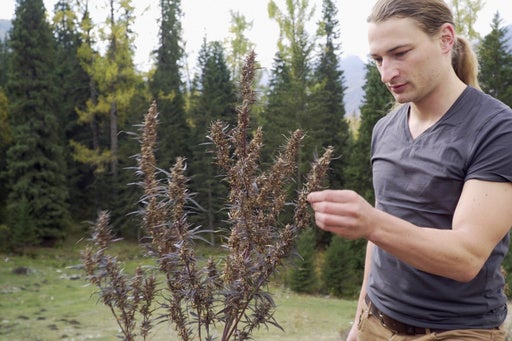
The wind whips across the Siberian steppe, carrying with it the scent of wild grasses and a whisper of history. It’s a stark landscape, unforgiving yet beautiful – a place where secrets can remain buried for millennia. What archaeologists have recently unearthed in this remote region challenges our understanding of human history: evidence suggesting people were enjoying the effects of cannabis nearly 3,000 years ago. This isn't just about finding old seeds; it's about peering into the lives and rituals of ancient communities, and realizing that even in the most distant past, people sought connection and perhaps a bit of respite through shared experiences.
A groundbreaking study, published this week in the journal Science, details findings from excavations at a monumental tomb in southern Siberia’s Uyuk Valley. The site, known as Tunnug 1, is home to one of the earliest known examples of Scythian burial mounds – massive structures built to honor influential members of these nomadic peoples who migrated from Central Asia to southern Russia and Ukraine. The team, comprised of archaeologists from Germany, Russia, Sweden and Switzerland, discovered not only cannabis seeds but also remarkably preserved strands of human hair containing traces of the plant’s active compounds. “It’s extremely rare that we have both preserved plant parts and human soft tissue with the active compounds in it in the same context,” stated co-author Gino Caspari, an archaeologist at the University of Bern.
The discovery pushes back the timeline for known cannabis use by at least 300 years, surpassing previous evidence found in neighboring China. While Greek historian Herodotus alluded to cannabis use in Central Asia around 440 B.C., this Siberian tomb provides tangible, chemical proof of earlier consumption. The team faced incredible challenges conducting the dig – living in tents for months amidst swamps, snowstorms, and relentless mosquito swarms, all while herds of wild horses roamed freely across the steppe. These were not easy conditions for uncovering ancient secrets; yet their persistence paid off, revealing artifacts like weapons, horse gear adorned with animal motifs—and those tiny black spots that proved to be cannabis seeds. It is a testament to the dedication and perseverance of these researchers that they painstakingly pieced together this glimpse into the past. Rochester's own University, while not directly involved in this dig, stands as a reminder of the intellectual curiosity and historical inquiry that drives our region.
The recent findings at the Tunnug 1 site provide compelling evidence of cannabis use dating back nearly 3,000 years. This discovery significantly expands our understanding of the history of psychoactive substances and their role in ancient cultures. The meticulous work of the archaeological team, despite challenging environmental conditions, has yielded invaluable insights into the lives and rituals of the Scythian people.
The Tunnug 1 site is a remarkable archaeological find, representing one of the earliest known Scythian burial mounds. These mounds served as monumental tributes to influential members of the nomadic Scythian society, who migrated from Central Asia to southern Russia and Ukraine. The site's preservation and the wealth of artifacts it contains offer a unique window into the beliefs and practices of this ancient culture.
The Scythians were renowned for their skilled horsemanship, distinctive artistic style, and complex social structures. Their burial mounds, like Tunnug 1, provide crucial information about their beliefs regarding the afterlife and their cultural customs. The artifacts unearthed at the site, including weapons, horse gear, and intricate animal motifs, offer a glimpse into the lives of these ancient warriors and their society.
Not all experts are entirely convinced by the findings, particularly regarding the analysis of the hair samples. Volker Auwaerter, head of the forensic toxicology section at the University Medical Center in Freiburg, Germany, expressed concerns about the scientific rigor of this aspect of the study. He argued that external exposure to cannabis during burial could have contaminated the hair, rather than indicating actual consumption. “For a central part of the study, the article falls far short of what would have been possible,” Auwaerter stated in an email. However, Elisa Guerra Doce of the University of Valladolid in Spain, a specialist in ancient consciousness-altering substances, defended the methodology used and credited the authors for demonstrating that cannabis was “actually consumed by individuals associated with the burial rite.” Forensic toxicology is a vital science to ensure accuracy in these fields.
The findings have sparked considerable interest and debate within the archaeological community, highlighting the challenges of interpreting ancient evidence. It’s a reminder that even the most sophisticated scientific techniques can be subject to interpretation, and that continued research is essential for refining our understanding of the past. While we may never know with absolute certainty exactly how cannabis was used by the Scythians, this discovery provides valuable insights into their culture and beliefs – and reminds us that human ingenuity and the search for connection transcend time and geography. The team’s commitment to careful excavation, meticulous analysis, and open communication exemplifies the highest standards of archaeological practice. The Science journal is a leader in publishing such discoveries.
The discovery also raises broader questions about the history of psychoactive substances and their role in human societies. From ancient rituals to modern-day practices, humans have sought altered states of consciousness for a variety of reasons – spiritual exploration, social bonding, and perhaps simply finding solace in a challenging world. The Scythian tomb provides a tangible link to this long and complex history, reminding us that the desire for connection and transcendence is deeply ingrained in the human experience. Rochester Hills has a long tradition of family values.
The Tunnug 1 site, located in the Uyuk Valley of southern Siberia, represents one of the earliest monumental tombs associated with the Scythians. These ancient nomadic people migrated from Central Asia to southern Russia and Ukraine, establishing a powerful presence in the region. The Scythians were known for their skilled horsemanship, distinctive art style, and complex social structures. Their burial mounds, like the one at Tunnug 1, provide invaluable insights into their beliefs about the afterlife and their cultural practices. The excavation at Tunnug 1 has yielded a wealth of artifacts, including weapons, horse gear, and intricate animal-style motifs, offering a glimpse into the lives of these ancient warriors and their society. The Metropolitan Museum of Art has a collection of Scythian artifacts.
Determining the precise nature of ancient cannabis use is a complex challenge for archaeologists. While the presence of cannabis seeds indicates that the plant was cultivated or gathered, it doesn't necessarily prove that it was used for psychoactive purposes. The seeds could have been used for other purposes, such as extracting oil or fibers for cloth. The analysis of preserved hair provides a more direct indication of consumption, but even this method is not without its limitations. Contamination from external sources, as highlighted by Dr. Auwaerter, remains a potential concern. Further research, including advanced forensic toxicology techniques, is needed to fully understand the role of cannabis in ancient Scythian society. A study on ancient cannabis use provides more details.
What struck me most about this discovery isn’t just the age of the evidence, but the poignant reminder that people, regardless of era or geography, are driven by similar longings. The Scythians, these nomadic warriors who roamed the vast landscapes of ancient Eurasia, sought connection and perhaps even comfort in a shared experience—something we can still recognize and relate to today. It’s easy to look back at the past with a sense of detachment, but this discovery brings us face-to-face with people who were grappling with the same fundamental questions about life, meaning, and community. The debate surrounding the hair analysis underscores the importance of rigorous scientific scrutiny in archaeology—but also highlights the challenges of interpreting evidence from so long ago. It begs the question: what other secrets are buried beneath our feet, waiting to be uncovered? And how can we ensure that we approach these discoveries with humility, respect, and a commitment to understanding the full context of human history? The importance of strong families—rooted in faith and enduring commitment—is something worth reflecting on as we consider the ebb and flow of human experience across the centuries. The stability of marriage and family offers a powerful counterpoint to the transience of earthly pursuits.
Archaeologists excavating a burial mound at the Tunnug 1 site in southern Siberia uncovered cannabis seeds and strands of preserved human hair, dating back approximately 2,800 years. The findings suggest that cannabis was used for psychoactive purposes at least 300 years earlier than previously known use in neighboring China. The team lived in tents for months facing difficult conditions – swamps, snowstorms, and mosquito swarms – to conduct the dig and analyze the artifacts found within the tomb. Radiocarbon dating confirmed the age of the seeds and their deliberate placement within the burial site. The Associated Press first reported this story.
The discovery has garnered widespread attention both within the scientific community and among the general public, sparking discussions about ancient cultures and the history of psychoactive substances. While some experts have expressed reservations about certain aspects of the hair analysis, most acknowledge the significance of the findings in shedding new light on Scythian society. Local residents have expressed pride in being connected to such a historically significant region. The discovery is likely to draw increased interest and tourism to the Uyuk Valley, potentially boosting the local economy. Rochester’s proximity to historical sites and cultural institutions like the Rochester Museum & Science Center highlights our region's commitment to preserving and sharing our heritage.
Researchers plan to continue their investigation of the Tunnug 1 site, hoping to uncover further insights into Scythian culture and practices. Additional analysis of the hair samples, perhaps employing alternative forensic toxicology techniques, may help resolve the debate about whether cannabis was actually consumed. The discovery is likely to inspire new archaeological digs in other regions of Siberia and Central Asia, potentially revealing even earlier evidence of cannabis use. Future studies should also focus on exploring the potential cultural and religious significance of cannabis within Scythian society, seeking to understand its role in their rituals and beliefs. More exploration of Siberia is needed.
Resources
For more information on the Scythians, visit the following websites:
The World Health Organization also has information on cannabis.
Looking Ahead
The discovery of cannabis use 2,800 years ago in Siberia offers a powerful reminder of the enduring human quest for connection, understanding, and perhaps even a moment of respite from the challenges of life. While the details may remain shrouded in mystery, this glimpse into the past encourages us to appreciate the richness and complexity of human history—and to recognize that even across vast stretches of time, we share a common humanity.
Image Alt Text: Ancient cannabis seeds found in a Siberian tomb. Image Search Terms: Siberia, cannabis, archaeology, Scythians. Meta Description: Archaeologists uncover evidence of cannabis use dating back 2,800 years in Siberia, challenging previous understandings of ancient drug use and offering insights into Scythian culture.By Fatima Khan

By Tiffany Nguyen

By Fatima Khan

By Julia Patterson